- Client
- A mining and infrastructure developer in Central Africa (anonymised)
- Sector
- Mining & infrastructure
- Location
- Central Africa
- Year
- 2026
Critical habitat screening for a new port and 90 km rail corridor
We helped a mining developer understand its IFC PS6 critical habitat risks early, before field studies and lender due diligence.
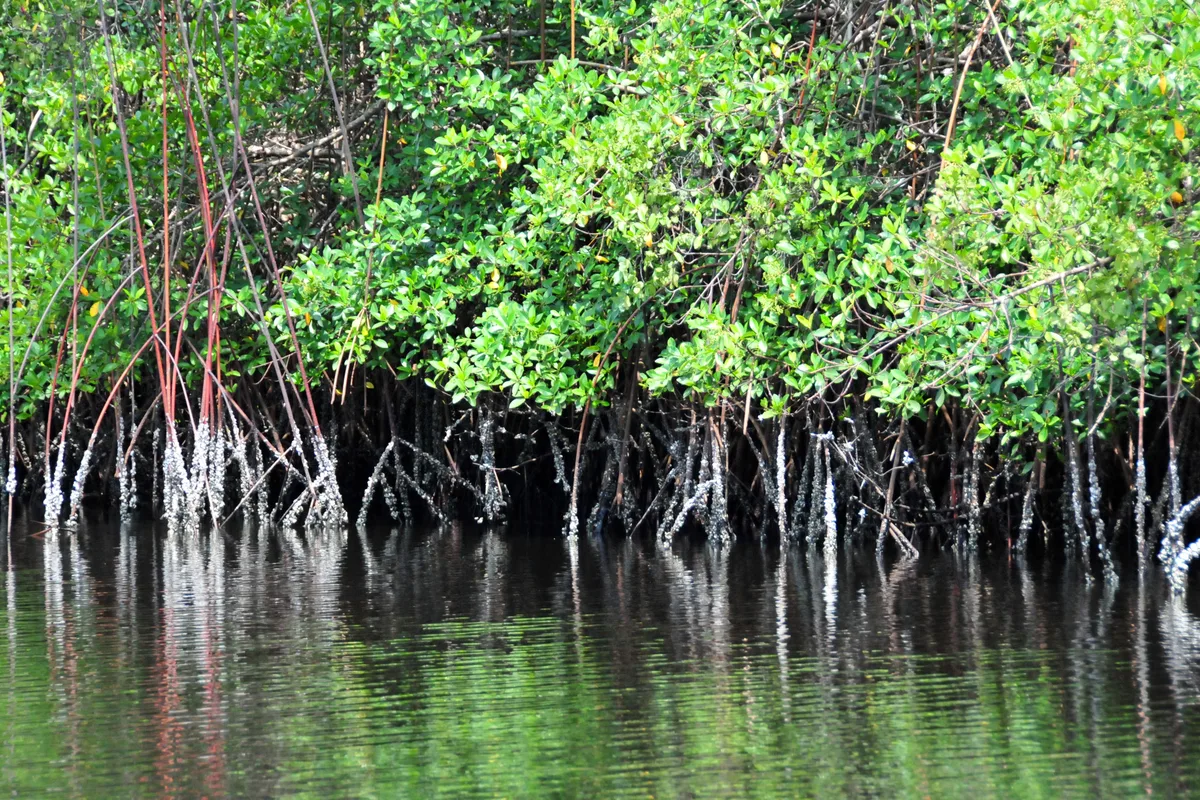
Linear infrastructure can cross highly sensitive coastal habitats. © iStock
~90 km
rail corridor plus a greenfield port
3 years
of existing field data put to use
4
lender standards applied
The challenge
A new greenfield port and rail corridor will cross coastal forest and estuarine habitats. Lenders require compliance with IFC Performance Standard 6, the Equator Principles and World Bank ESS6. The developer needed an early, defensible view of critical habitat risks and data gaps, so that surprises would not emerge late in lender due diligence.
What we did
Following the four steps set out in IFC Guidance Note 6, we combined global datasets (IBAT, IUCN Red List, Key Biodiversity Areas and Alliance for Zero Extinction sites) with three years of our own field data from the wider concession. Working with specialist botanical, fisheries and geological partners, we defined a species-specific area of analysis for each feature and applied the GN6 thresholds transparently. The studies plan is designed to fit within the developer's HSE management system, so future fieldwork can be planned and delivered to the same health and safety standards as the rest of the project.
The outcome
The developer now has a clear, standards-aligned view of where critical habitat risk is likely to lie, along with a prioritised gap analysis and studies plan. This gives it time to plan mitigation and routing before costs are locked in, and a strong starting point for lender due diligence.