
Biodiversity Monitoring Services
Biodiversity Monitoring Services for Ongoing Compliance and Adaptive Ecological Management
Deliver robust biodiversity monitoring programmes designed to track ecological change, support regulatory compliance, and inform adaptive ecological management. We combine multi method field surveys, expert analysis, and long term data collection to produce reliable, audit-ready monitoring outputs.
Trusted by Leading Organisations Around the World










Biodiversity Monitoring Solutions for Complex Projects and High Impact Environments
Our biodiversity monitoring solutions are designed to deliver structured programmes for complex, high impact projects, generating reliable data to track ecological change, meet regulatory commitments, and support long term environmental management.
Lender grade biodiversity assessments including EIA, EcIA, baseline studies, and IFC PS6 critical habitat analysis to support regulatory approval and project financing.
Multi method monitoring programmes using camera traps, bioacoustics, eDNA, and field surveys to track biodiversity outcomes and support compliance over time.
Audit-ready biodiversity reporting aligned with TNFD, CSRD, GRI, and EUDR, providing clear, defensible outputs for regulators, investors, and stakeholders.
Why Organisations Choose Our Biodiversity Monitoring Solutions for Field Delivery and Ongoing Compliance
Organisations across the world operating under regulatory and lender requirements choose our biodiversity monitoring solutions to deliver structured programmes that generate reliable data, support compliance, and provide long term visibility of ecological performance.

Our team includes PhD ecologists with extensive field and analytical experience, supported by a strong track record of peer-reviewed research and applied project delivery.

Biodiversity monitoring programmes delivered globally supporting mining, infrastructure, and land use projects in high impact environments.

Integrated monitoring programmes combining camera traps acoustic sensors environmental DNA and field surveys to capture biodiversity across taxa and habitats.

Programmes designed and maintained over multiple years generating consistent datasets to track biodiversity change and support compliance requirements.
Integrated Biodiversity Monitoring Across Mutiple Methods and Data Sources
Our monitoring capabilities enable the integration of multiple data sources to capture species, habitats, and ecological change across environments including field observations, sensor based methods, and spatial data to generate comprehensive, defensible datasets that support compliance, reporting, and long term decision making.
Satellite Data
Satellite imagery and remote sensing used to monitor habitat change, land use, and landscape level biodiversity trends across large and inaccessible areas.
Public Datasets
Integration of global and regional biodiversity datasets to strengthen baselines, validate findings, and provide wider ecological context.
Bioacoustic Sensors
Acoustic monitoring of birds, bats, and other vocal species using passive sensors to capture continuous biodiversity data with minimal disturbance.
Multi-Method Biodiversity Monitoring Capabilities
Wildlife Cameras
Camera trap monitoring to detect species presence, behaviour, and activity patterns across terrestrial ecosystems over extended periods.
Environmental DNA (eDNA)
eDNA sampling and analysis to detect species presence in water and soil, improving detection rates for rare, cryptic, and aquatic species.
Field Observations
Targeted field surveys conducted by ecologists to record species, habitats, and ecological conditions, supporting validation and ground truthing.
Our Approach to Delivering Biodiversity Monitoring Programmes at Scale
From initial programme design through to ongoing data collection, analysis, and reporting, our biodiversity monitoring programmes are designed to deliver consistent, high quality data over time. This proven approach ensures monitoring outputs remain reliable, defensible, and aligned with regulatory and lender requirements.
1.
Programme Design and Scoping
Define monitoring objectives, target species, and regulatory requirements. Design sampling frameworks, select appropriate methods, and establish baselines aligned with project risks and compliance obligations.
2.
Deployment and Data Collection
Implement multi method monitoring programmes using field surveys, camera traps, bioacoustics, eDNA, and spatial data collection across sites and time periods.
3.
Analysis and Validation
Process and validate monitoring data using expert review and quality control procedures to ensure outputs are accurate, consistent, and defensible.
4.
Reporting and Adaptive Management
Translate monitoring data into clear insights that support compliance reporting, inform mitigation strategies, and guide ongoing environmental management decisions.
Supporting Organisations Globally Across High Impact Sectors
We support organisations operating in regulated, high impact sectors including mining, energy, and infrastructure, where biodiversity compliance requirements are critical to project success.
Supporting complex projects across multiple countries, regions, and regulatory environments.

Experience delivering biodiversity and monitoring programmes across large sites and multi location projects.
Proven experience across mining, energy, infrastructure, land use, and conservation projects.
.avif)
.avif)
.avif)
Proven Biodiversity Solutions Driving Compliance And Conservation At Scale
From tropical forests to private estates, our biodiversity solutions are used worldwide to deliver measurable results. Explore our case studies on the interactive map to see how we help organisations achieve compliance, conservation and restoration outcomes.
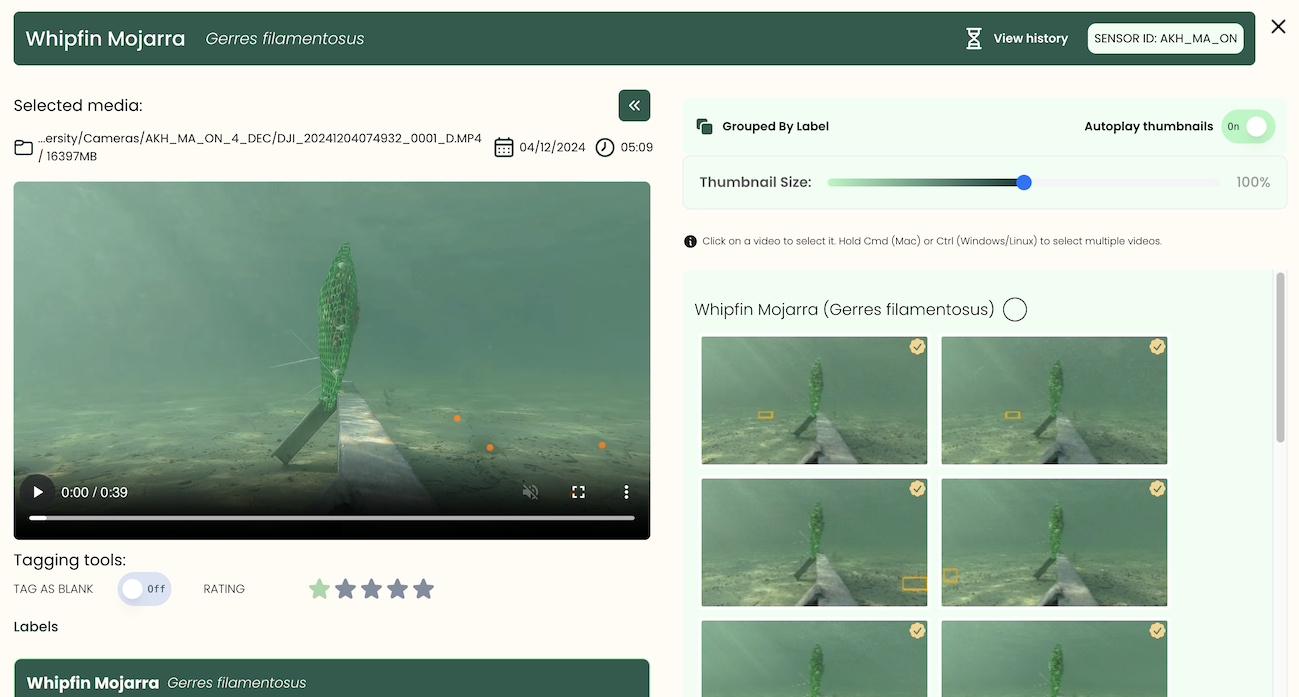
Qatar Marine Monitoring
Okala provided marine biodiversity baselines for coastal mangrove restoration
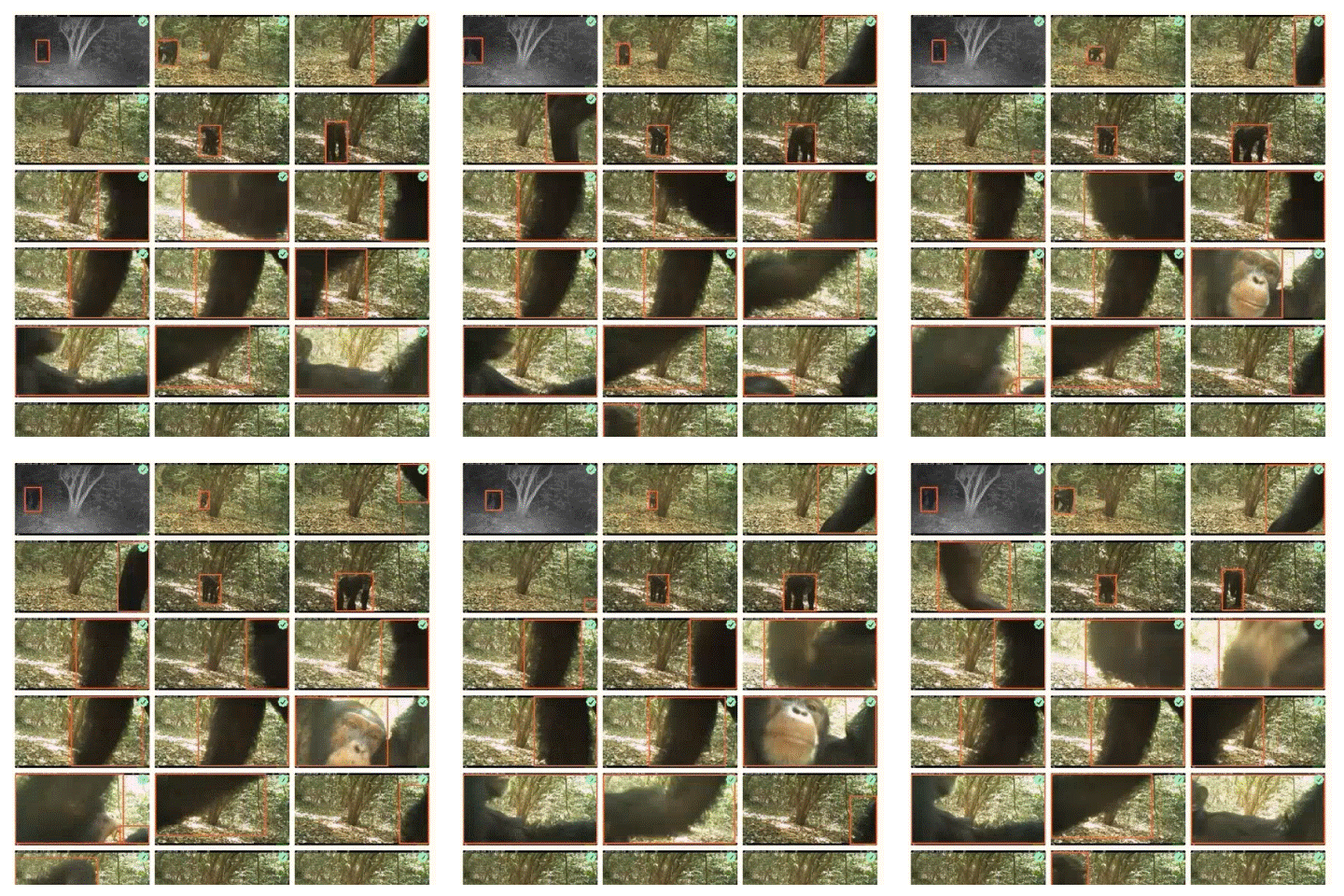
Eastern Africa chimps
The Biodiversity Consultancy partnered with Okala to monitor chimpanzee populations using camera trap data
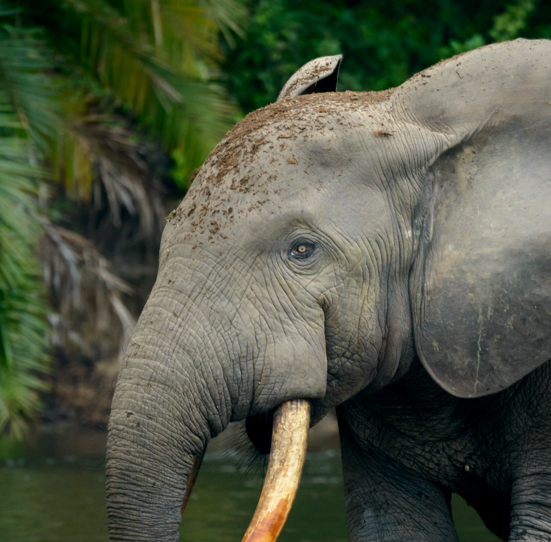
Congo rainforest
Scalable AI species identification in the Republic of Congo
EUDR East Africa
EUDR compliance for 50,000 soya farms across Togo and Benin

Gold mine in Australia
FURA is a global gemstone mining company operating in Australia, Colombia, and Mozambique.

Brazil Rainforest
Camera trap videos of individually identified jaguars can support biodiversity credit projects

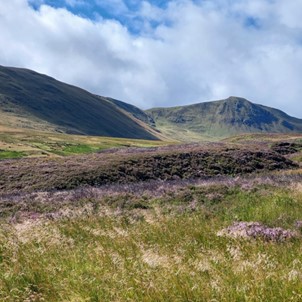
Scottish Estate
Scaling the use of bioacoustics, eDNA and camera traps for biodiversity monitoring in Scotland
Peer-reviewed studies underpinning our methodologies, ensuring outputs are scientifically robust and defensible under regulatory scrutiny.
Projects delivered across Africa, Asia, Europe, and the Americas, supporting approvals, compliance, and measurable biodiversity outcomes.
Agricultural sites assessed for deforestation risk and sustainability reporting, supporting compliance with EUDR and supply chain requirements.
See What Our Clients Say
Hear from organisations we have supported across complex projects, delivering reliable, defensible outcomes under regulatory and operational pressure.
We have had a great experience working with Okala. The process has been constructive and efficient. We have appreciated the collaborative nature of the work and the level of expertise from the Okala team. It has been great to work with a like-minded team who share our values.


We greatly appreciated Okala’s ability to adapt to the specific demands of the mining industry. Their flexibility and responsiveness enabled the timely delivery of key project components. The dashboard training session was very well received by our client, and the platform itself has proven to be an effective tool for visualizing the results of camera-trap monitoring. We look forward to continuing and expanding our collaboration with Okala.

.png)
This was an ambitious project where we could put AI to the test at very large scales. Okala's data platform allowed us to verify AI outputs and rapidly interact with the data using the intuitive interface.


Okala's expert gap analysis and guidance have greatly advanced Fura’s progress towards reaching our sustainability goals. Their professionalism and insight into biodiversity and carbon management exceeded our expectations.


Okala delivered cutting edge biodiversity, carbon and social baselines to understand how a 300,000 ha forestry concession in Gabon could be managed for sustainable development.


The full service - from fieldwork to reporting - was excellent. We look forward to working with Okala again.


Minimising biodiversity impact is an increasing challenge for our sector. Okala provided unrivalled transparency and reporting for our early-stage industrial project in Rwanda.


Okala delivered high-quality biodiversity baselines in just six months using eDNA, bioacoustics and camera traps. Their work will allow us to calculate the biodiversity value of the forest to inform land-management.


Answers To Biodiversity Monitoring FAQs
Have questions about our biodiversity monitoring services? Learn how our programmes are designed, delivered, and maintained to support compliance and long-term ecological tracking.
Book Your Initial 30-Minute Consultation and Move Your Project Forward With Confidence
Speak with our team about your project requirements, regulatory context, and timelines. We will provide clear, practical guidance on the best approach to assessment, compliance, and reporting.
